Category: Damp & Moisture

Export guides on damp and moisture problems in buildings, including rising damp, penetrating damp, condensation and mould. learn how to identify causes, understand treatment options.

  • Rising Damp: Signs, Causes & How to Fix It

    Rising Damp: Signs, Causes & How to Fix It

    What Is Rising Damp?

    Rising damp is moisture that travels upward through brickwork and plaster from the ground. It occurs when groundwater is drawn up through porous building materials like bricks and mortar.

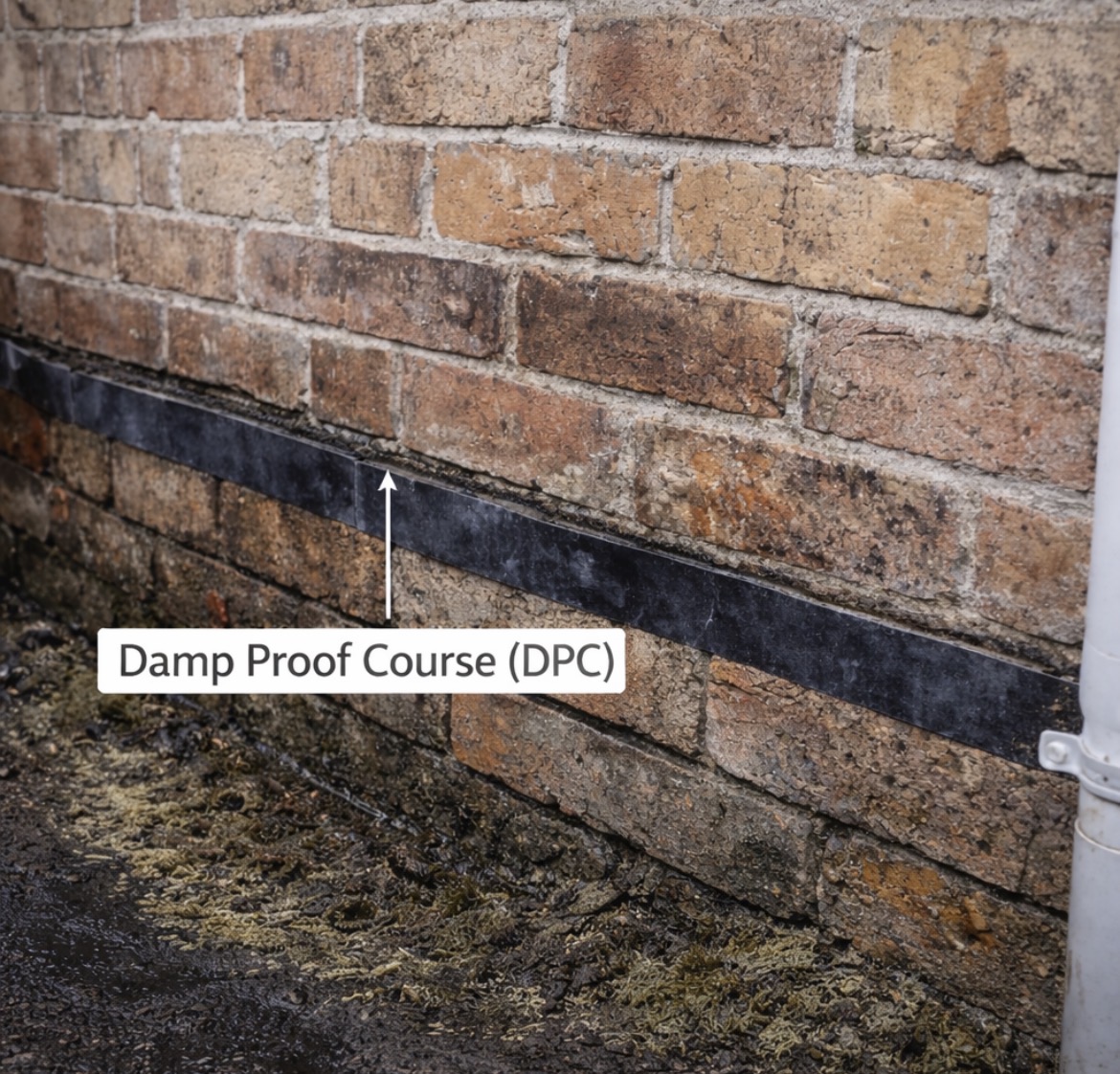
    Modern homes are built with a damp proof course (DPC) to prevent this. However, older properties may not have one — or the DPC may be damaged or bridged.

    Signs of Rising Damp

    Common indicators include:

    The key characteristic is that it starts low and rises upward.

    How Is Rising Damp Different From Other Damp?

    Rising damp is often confused with condensation or penetrating damp.

    (Internally link to your condensation, penetrating damp and DPC posts here.)

    What Causes Rising Damp?

    Rising damp typically occurs when:

    • The damp proof course has failed
    • External ground levels are too high
    • Debris or render is bridging the DPC
    • The property has no DPC (common in pre-1900 homes)

    True DPC failure is less common than often claimed.

    How to Fix Rising Damp

    The correct solution depends on the cause:

    • Lower external ground levels
    • Remove bridging materials
    • Improve drainage
    • Install a new DPC (if genuinely required)

    Diagnosis is critical before expensive chemical injections are carried out.

    Final Thoughts

    Rising damp does exist — but it is frequently misdiagnosed. Proper inspection of external ground levels and wall construction should always come before invasive treatments.
  • Damp Patches on Walls: Causes & How to Fix Them

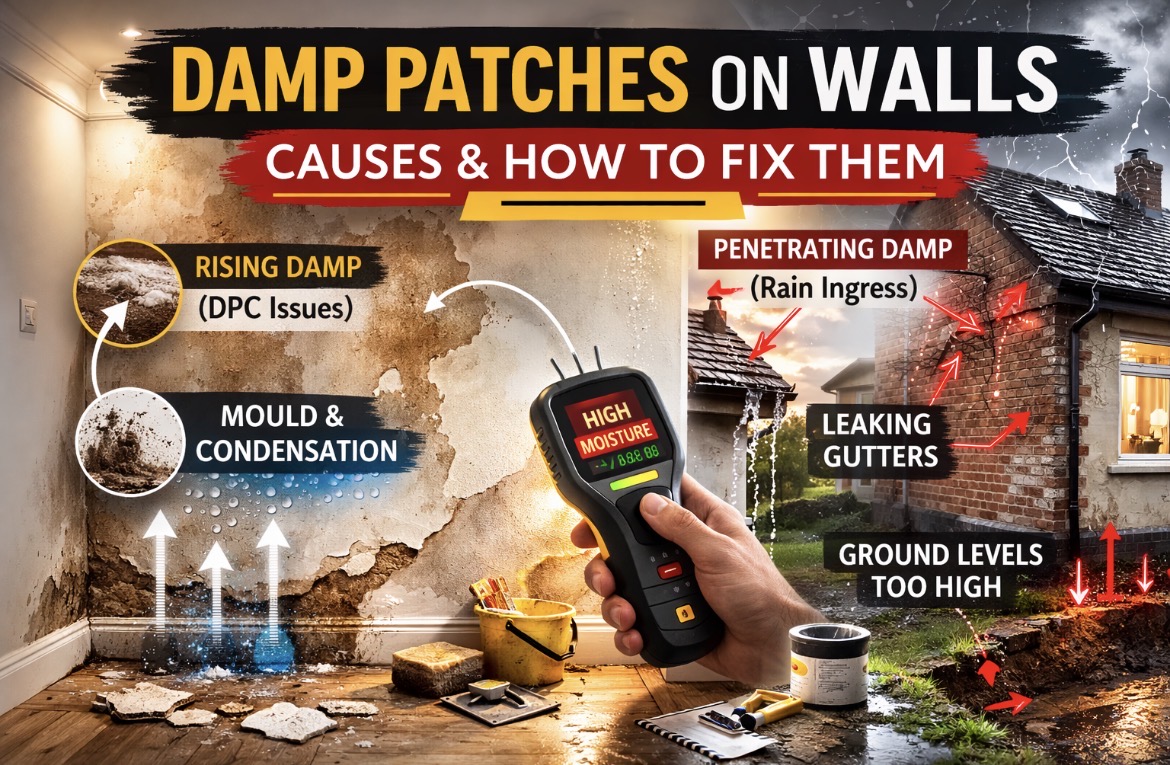
    Damp Patches on Walls: Causes & How to Fix Them

    Damp patches on internal walls are one of the most common concerns for homeowners. Whether it appears as a dark stain, peeling paint, or bubbling plaster, visible damp is a sign that moisture is entering or forming within the building fabric.

    The key is identifying the source before attempting repairs.

    What Do Damp Patches Look Like?

    Damp patches may appear as:

    • Dark or discoloured areas on walls
    • Peeling paint or wallpaper
    • Blistering plaster
    • Musty smells
    • Black mould forming around the edges

    The location of the patch often helps identify the cause.

    Common Causes of Damp Patches

    1. Condensation

    If the patch appears on cold surfaces, near windows, or in corners of rooms, condensation is the likely cause. This is especially common in bedrooms and bathrooms.

    (Internal link this to your condensation post.)

    2. Penetrating Damp

    If the patch worsens after rainfall and appears on external walls, moisture may be entering from outside through cracked brickwork, damaged pointing, or faulty gutters.

    (Internal link to penetrating damp post.)

    3. Rising Damp

    If the patch starts at skirting level and rises upward in a “tide mark” pattern, rising damp could be responsible — although this is often misdiagnosed.

    (Internal link to DPC post.)

    4. Plumbing Leaks

    Leaks from radiators, pipework, or bathrooms can cause isolated damp patches that remain damp regardless of weather.

    How to Diagnose the Cause

    Before spending money on damp proofing treatments:

    • Check external gutters and downpipes
    • Inspect roof tiles and flashing
    • Look for bridging of the damp proof course
    • Monitor whether the patch worsens after rain
    • Check for condensation patterns

    Moisture meters alone cannot confirm rising damp.

    How to Fix Damp Patches

    The solution depends entirely on the cause:

    • Improve ventilation for condensation
    • Repair gutters or pointing for penetrating damp
    • Lower external ground levels if DPC is bridged
    • Repair leaking plumbing

    Treating symptoms without fixing the source will result in the damp returning.

    Final Thoughts

    Damp patches are a symptom — not the problem itself.

    Correct diagnosis is essential before committing to costly treatments. In many cases, simple external maintenance or improved ventilation can resolve the issue without invasive damp proofing work.

  • Damp Proof Course (DPC) Explained: What It Is & Why It Matters

    Damp Proof Course (DPC) Explained: What It Is & Why It Matters

    A damp proof course (DPC) is a barrier installed within the walls of a building to prevent moisture from rising up from the ground.

    It is designed to stop rising damp by blocking groundwater from travelling through brickwork and mortar.

    Most modern properties include a damp proof course as standard.

    Where Is a Damp Proof Course Located?

    A DPC is usually found:

    • Approximately 150mm above ground level
    • Along the base of external walls
    • As a horizontal layer within brickwork

    It may be made from materials such as:

    • Bitumen
    • Plastic membrane
    • Slate (in older properties)

    Its position helps prevent moisture from rising into walls.

    How Does a Damp Proof Course Work?

    Moisture in the ground moves upward through porous materials via capillary action.

    A damp proof course acts as a physical barrier that interrupts this movement.

    Without a functioning DPC, moisture can continue rising through walls.

    What Happens If a DPC Fails?

    If a damp proof course is:

    • Missing
    • Damaged
    • Bridged by high ground levels

    Rising damp may develop.

    Signs of DPC failure include:

    Professional assessment is often required.

    What Is DPC Bridging?

    DPC bridging occurs when external ground levels, render, or internal plaster bypass the damp proof course, allowing moisture to travel around it.

    Common causes include:

    • Raised flower beds
    • Blocked air bricks
    • Render applied below DPC level

    Lowering ground levels can sometimes solve the issue.

    Can a Damp Proof Course Be Repaired?

    Treatment options may include:

    • Installing a new physical DPC
    • Injecting a chemical damp proof course
    • Removing contaminated plaster
    • Improving drainage

    Proper diagnosis is essential before treatment.

    Final Thoughts

    A damp proof course is a critical barrier that prevents rising damp. If it fails or becomes bridged, moisture can enter walls and cause structural damage.

    Identifying and addressing the issue early can prevent long-term problems.

  • What Is Condensation Damp? Signs & Prevention

    What Is Condensation Damp? Signs & Prevention

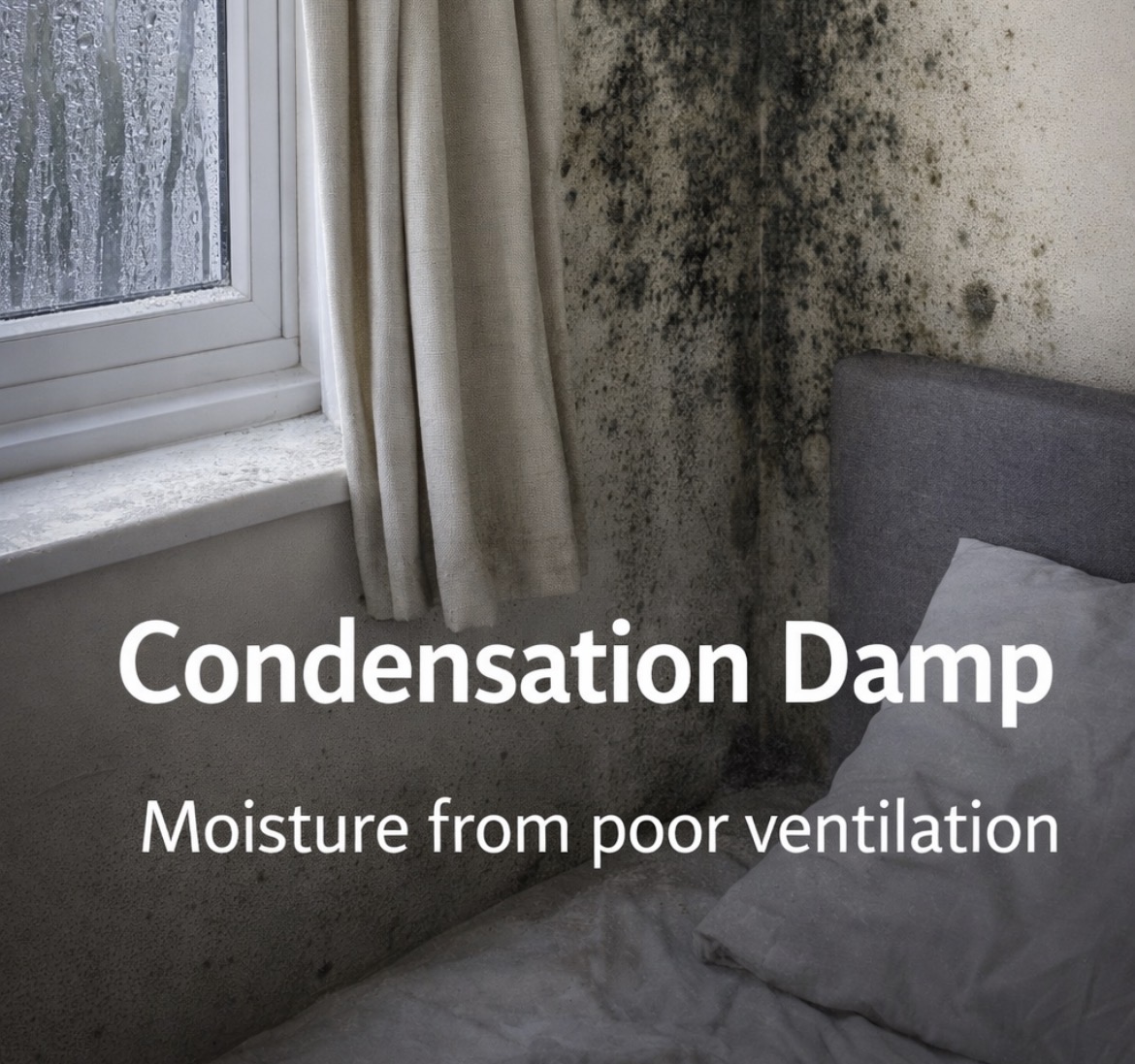
    Condensation damp is the most common type of damp found in homes. It occurs when warm, moist air comes into contact with cold surfaces, forming water droplets.

    Unlike rising or penetrating damp, condensation is caused by internal moisture rather than structural defects.

    What Causes Condensation Damp?

    Condensation forms when:

    • Indoor air is humid
    • Surfaces are cold
    • Ventilation is poor
    • Heating is inconsistent

    Everyday activities such as cooking, showering and drying clothes increase indoor moisture levels.

    When warm air hits cold walls or windows, water forms on the surface.

    Signs of Condensation Damp

    Common signs include:

    Condensation damp often worsens in autumn and winter.

    Where Does It Usually Appear?

    Condensation damp is most common in:

    It typically appears in upper corners and on cold external walls.

    How Is It Different from Rising Damp?

    Condensation damp:

    • Appears on surfaces
    • Is seasonal
    • Causes mould growth
    • Is linked to ventilation

    Rising damp:

    • Starts at ground level
    • Leaves tide marks
    • Affects plaster internally

    Diagnosis is important before treatment.

    How to Prevent Condensation Damp

    Effective prevention includes:

    • Opening windows daily
    • Using extractor fans
    • Keeping rooms consistently heated
    • Wiping down wet surfaces
    • Avoiding drying clothes indoors
    • Using a dehumidifier if necessary

    Improving airflow is key.

    Can Condensation Damp Cause Mould?

    Yes.

    Condensation is one of the main causes of black mould in homes.

    If not addressed, mould can spread across walls and ceilings.

    Final Thoughts

    Condensation damp is caused by excess indoor moisture and poor ventilation. While it does not usually damage the structure of a building, it can lead to mould growth and recurring surface damp problems.

    Improving ventilation and managing humidity are the most effective long-term solutions.

  • What Is Penetrating Damp? Causes & How to Fix It

    What Is Penetrating Damp? Causes & How to Fix It

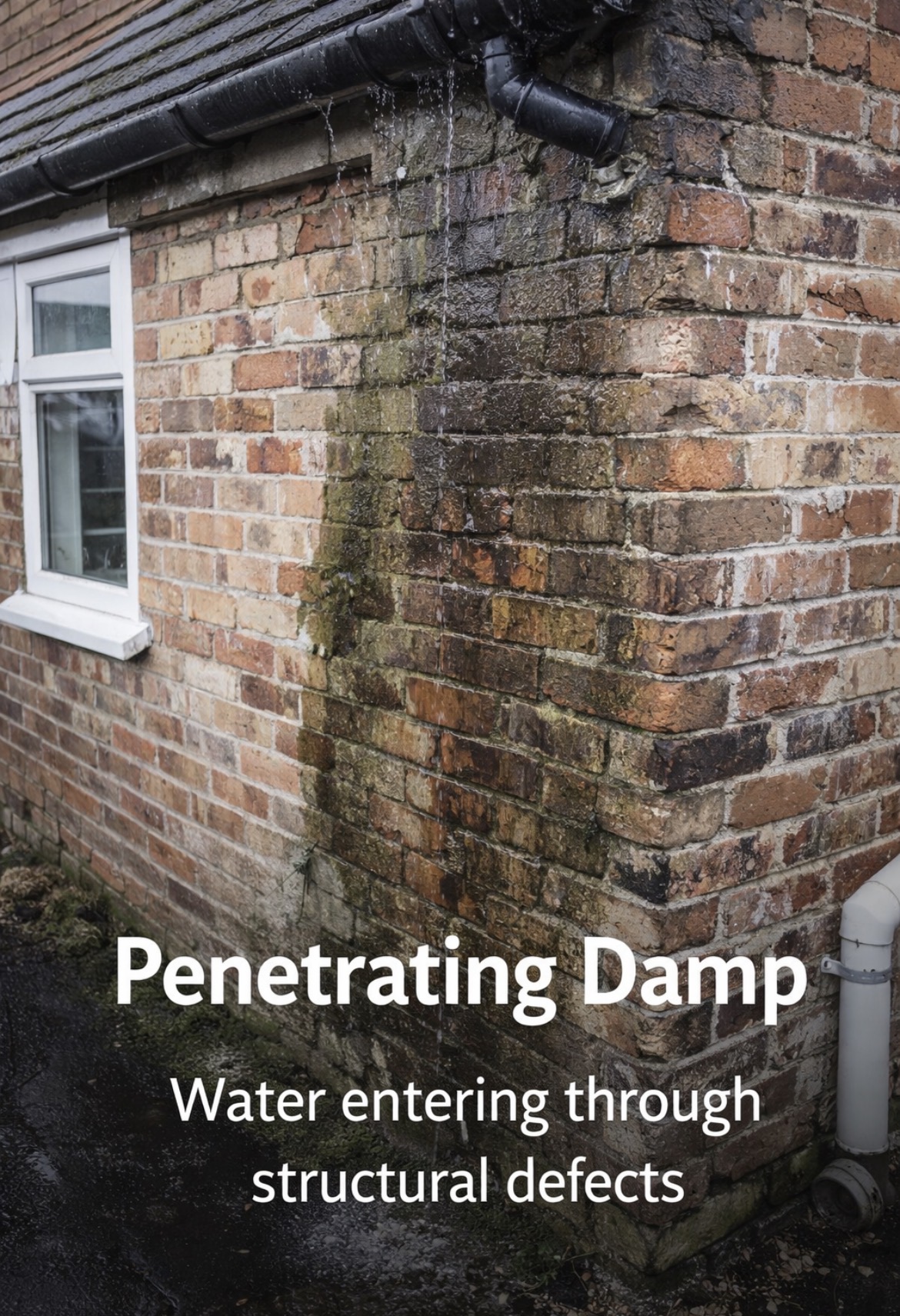
    Penetrating damp occurs when water enters a building from the outside and moves through walls, roofs, or structural elements. Unlike rising damp, which comes from the ground, penetrating damp travels horizontally.

    It is usually caused by defects in the building exterior.

    What Causes Penetrating Damp?

    Common causes include:

    Water enters through structural weaknesses and soaks into walls.

    Signs of Penetrating Damp

    Penetrating damp often appears as:

    It is often localised rather than widespread.

    How Is It Different From Rising Damp?

    Penetrating damp:

    • Can appear at any height
    • Often linked to rain
    • Appears on external walls

    Rising damp:

    Correct diagnosis is essential.

    How to Fix Penetrating Damp

    Treatment depends on the source, but may include:

    • Repairing brickwork
    • Repointing mortar joints
    • Fixing gutters and downpipes
    • Replacing roof tiles
    • Sealing window frames

    Addressing the external defect is the priority.

    Can Penetrating Damp Cause Mould?

    Yes.

    If moisture persists, mould may grow on affected internal surfaces.

    However, structural repair is required to prevent recurrence.

  • What Is Rising Damp? Signs, Causes & Treatment

    What Is Rising Damp? Signs, Causes & Treatment

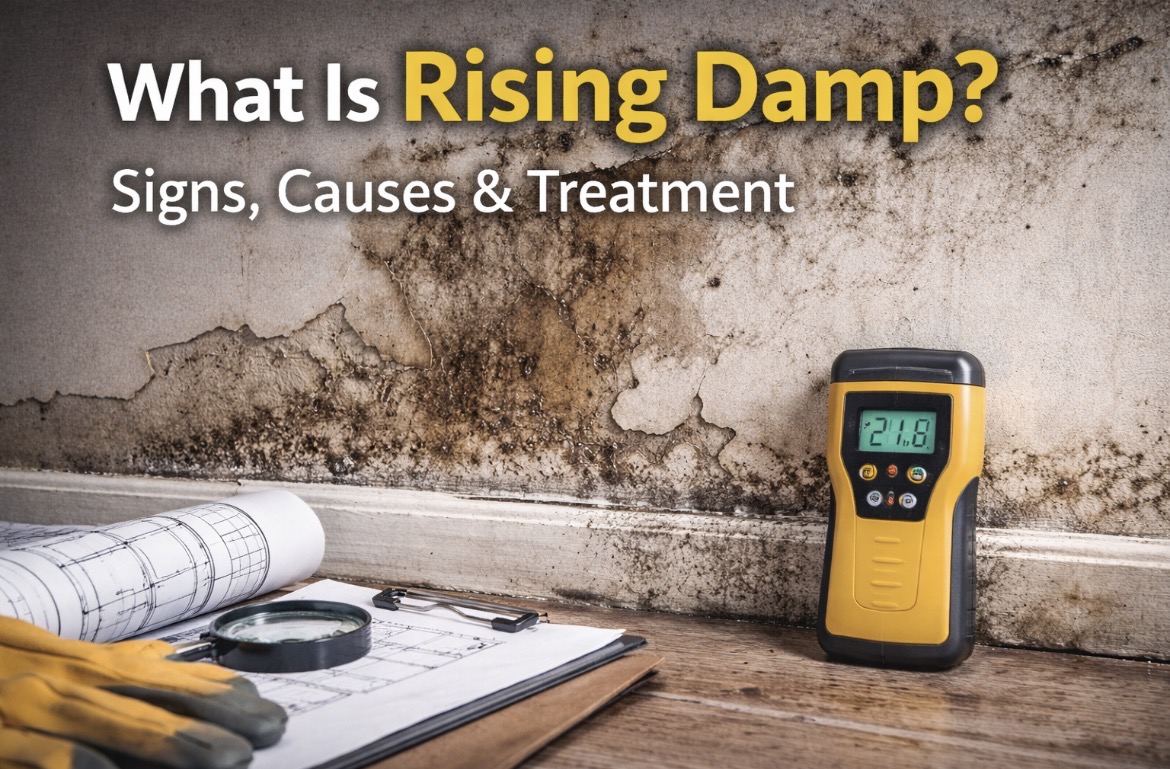
    Rising damp is a form of moisture that moves up through walls from the ground. It occurs when groundwater travels through porous building materials such as brick and mortar.

    Although less common than condensation, rising damp can cause serious damage if left untreated.

    What Causes Rising Damp?

    Rising damp occurs when:

    • A damp proof course (DPC) is missing
    • The damp proof course has failed
    • Ground levels are too high
    • External paths bridge the DPC
    • Older properties lack modern damp protection

    Moisture rises through capillary action, moving upward through brickwork.

    Signs of Rising Damp

    Common signs include:

    Rising damp usually affects the lower section of walls.

    How Is Rising Damp Different from Condensation?

    Rising damp:

    Condensation:

    • Appears in corners or upper walls
    • Worsens in winter
    • Often forms behind furniture

    Correct diagnosis is essential before treatment.

    How Is Rising Damp Treated?

    Treatment may involve:

    • Installing a new damp proof course
    • Injecting chemical DPC
    • Removing contaminated plaster
    • Lowering external ground levels
    • Improving drainage

    Professional assessment is usually required.

    Can Rising Damp Cause Mould?

    Yes.

    Persistent moisture can eventually lead to mould growth, particularly near skirting boards.

    However, rising damp primarily causes structural damage before visible mould appears.

    When to Seek Professional Advice

    If you notice:

    • Ongoing damp at wall base
    • Salt deposits
    • Damaged plaster
    • Recurring mould in the same low area

    A damp survey may be necessary.

    Final Thoughts

    Rising damp is a structural moisture issue caused by groundwater moving upward through walls. While less common than condensation, it requires proper diagnosis and treatment to prevent long-term damage.

    Addressing the root cause is essential for lasting results.

  • Landlord Responsibility for Mould (UK)

    Landlord Responsibility for Mould (UK)

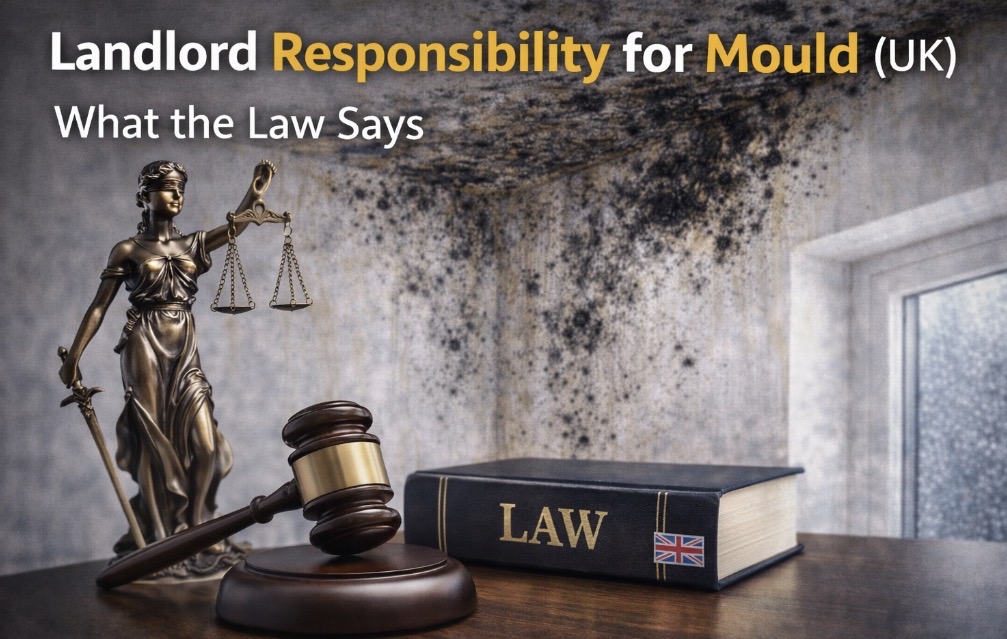
    Mould in rented properties is a common issue in the UK. When it appears, many tenants ask the same question: is the landlord responsible?

    In most cases, landlords are legally responsible for addressing mould if it is caused by structural issues, poor insulation, leaks, or inadequate ventilation.

    Is a Landlord Legally Responsible for Mould?

    Under UK law, landlords must ensure a property is:

    • Structurally sound
    • Free from serious damp hazards
    • Safe to live in
    • Properly maintained

    If mould is caused by:

    The landlord is usually responsible for fixing it.

    When Might a Tenant Be Responsible?

    Tenants may be partly responsible if mould is caused by lifestyle factors such as:

    • Not ventilating rooms
    • Drying clothes indoors without airflow
    • Blocking vents
    • Failing to report leaks

    However, landlords cannot avoid responsibility if the property itself contributes to condensation through poor insulation or ventilation design.

    What Does the Law Say?

    The Homes (Fitness for Human Habitation) Act 2018 requires landlords to ensure rental properties are free from serious hazards, including damp and mould growth.

    Local councils can intervene if a property is deemed unsafe due to damp or mould issues.

    What Should Tenants Do?

    If mould appears:

    1. Inform the landlord in writing
    2. Take photographs
    3. Keep records of communication
    4. Allow access for inspections
    5. Contact the local council if the issue is ignored

    Written communication is important for evidence.

    What Should Landlords Do?

    Landlords should:

    • Investigate the source of moisture
    • Repair leaks promptly
    • Improve ventilation where necessary
    • Ensure insulation meets standards
    • Provide functioning extractor fans

    Simply advising tenants to “open windows” is not always sufficient if structural issues exist.

    Can Tenants Withhold Rent?

    Tenants should not withhold rent without legal advice. Doing so can lead to eviction proceedings.

    If the landlord fails to act, tenants should contact their local authority or seek legal guidance.

    Final Thoughts

    In the UK, landlords are generally responsible for mould caused by structural defects, damp, or inadequate ventilation. Tenants may share responsibility if lifestyle factors contribute, but properties must meet basic living standards.

    If mould is persistent, identifying the underlying cause is essential.

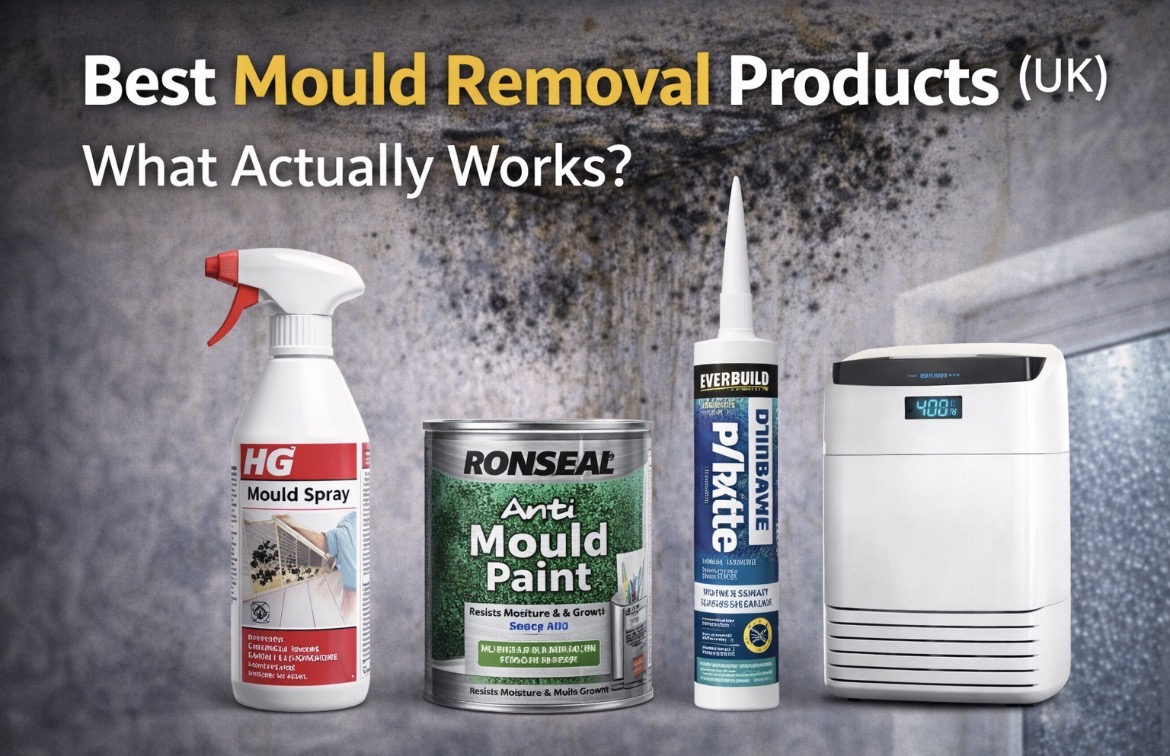
  • Best Mould Removal Products (UK): What Actually Works?

    Best Mould Removal Products (UK): What Actually Works?

    When dealing with black mould, choosing the right product makes a big difference. While many sprays claim to remove mould instantly, not all provide long-term results.

    The best mould removal products combine effective cleaning with preventative protection.

    What Makes a Good Mould Removal Product?

    Look for products that:

    • Kill mould spores (not just bleach stains)
    • Work on porous surfaces
    • Contain anti-fungal agents
    • Reduce the chance of regrowth

    Remember: no product will permanently solve mould if the moisture source remains.

    1. Mould Removal Sprays

    Specialist mould sprays are widely available in the UK and are designed to kill spores on walls, ceilings, tiles and sealant.

    They are best for:

    • Small to medium patches
    • Bathroom mould
    • Window frame mould
    • Early-stage condensation mould

    Always follow safety instructions and ventilate the room.

    2. Anti-Mould Paint

    Anti-mould paint contains additives to resist fungal growth.

    It is most effective when:

    • The mould has been removed first
    • The surface is fully dry
    • Used as a preventative measure

    It does not fix damp problems but can help slow recurrence.

    3. Mould Cleaning Gels for Sealant

    For bathrooms, specialist gels cling to silicone sealant and help remove deep staining.

    Heavily affected silicone may still need replacing.

    4. Dehumidifiers

    For condensation-related mould, a dehumidifier can significantly reduce indoor moisture.

    They are especially useful in:

    • Bedrooms
    • Poorly ventilated flats
    • Homes where drying clothes indoors is common

    Reducing humidity helps prevent mould returning.

    Are DIY Solutions Effective?

    White vinegar can help with light surface mould, but it may not be strong enough for larger infestations.

    Bleach can remove stains but does not always penetrate porous surfaces.

    For persistent mould, specialist products are usually more effective.

    Important: Products Alone Are Not the Solution

    Even the best mould remover will fail if:

    • Ventilation is poor
    • Heating is inconsistent
    • There are leaks
    • Insulation is inadequate

    Treating the cause is essential for long-term success.

    Final Thoughts

    The best mould removal product depends on the size and cause of the problem. Sprays and gels work well for surface mould, while dehumidifiers help tackle condensation issues.

    For lasting results, always combine treatment with improved ventilation and moisture control.

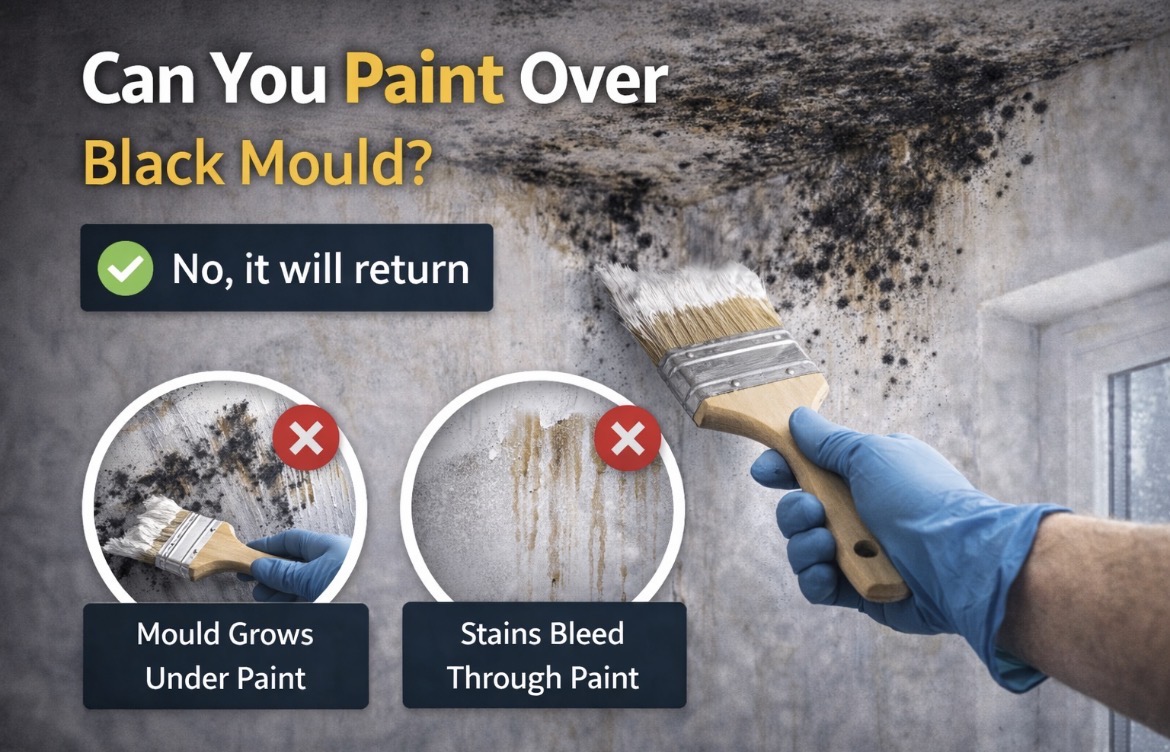
  • Can You Paint Over Black Mould?

    Can You Paint Over Black Mould?

    Many homeowners discover black mould on walls or ceilings and wonder if simply painting over it will solve the problem.

    The short answer is no — painting over mould does not fix the underlying issue and will not stop it from returning.

    What Happens If You Paint Over Mould?

    If you apply standard paint over black mould:

    • The mould will continue growing underneath
    • Stains may bleed through the paint
    • The problem may worsen over time
    • Moisture remains trapped

    Paint does not kill mould spores. It only temporarily hides the visible marks.

    Why Mould Comes Back After Painting

    Mould grows because of moisture. If you do not remove the mould and fix the damp source first, it will return through the paint layer.

    Common causes include:

    Unless these issues are addressed, repainting alone is ineffective.

    Is There Such a Thing as Anti-Mould Paint?

    Yes, anti-mould paints are available. These paints contain additives that help resist mould growth.

    However:

    Anti-mould paint should be the final step, not the first.

    The Correct Way to Treat Mould Before Painting

    If you plan to repaint an affected wall:

    1. Identify and fix the moisture source
    2. Remove visible mould safely
    3. Allow the surface to dry completely
    4. Apply a mould-resistant primer if needed
    5. Use anti-mould paint for added protection

    Skipping steps will likely lead to mould returning.

    When Should You Avoid DIY?

    If mould:

    • Covers a large area
    • Returns quickly
    • Is linked to water damage
    • Is accompanied by strong damp smells

    Professional assessment may be required.

    Final Thoughts

    Painting over black mould may temporarily hide stains, but it does not solve the problem. The only long-term solution is to remove the mould and eliminate the moisture causing it.

    Treat the cause first — paint last.

  • Is Black Mould Dangerous to Adults?

    Is Black Mould Dangerous to Adults?

    Black mould in the home often raises concerns about health risks. While children are generally more vulnerable, adults can also experience symptoms from prolonged exposure to mould.

    In most cases, black mould is not immediately dangerous, but ongoing exposure can contribute to respiratory irritation and other health issues.

    How Does Black Mould Affect Adults?

    Mould releases tiny spores into the air. When inhaled regularly in damp indoor environments, these spores can irritate the airways.

    Common symptoms in adults include:

    • Persistent coughing
    • Sneezing
    • Blocked or runny nose
    • Wheezing
    • Irritated eyes
    • Skin rashes

    People with asthma or allergies may experience worsened symptoms.

    Are Some Adults More at Risk?

    Certain groups may be more sensitive to mould exposure, including:

    • People with asthma
    • Those with weakened immune systems
    • Individuals with respiratory conditions
    • Elderly adults

    For these individuals, mould exposure may trigger stronger reactions.

    Can Black Mould Cause Serious Illness?

    In typical household situations, black mould does not usually cause severe illness in healthy adults.

    However, long-term exposure in damp, poorly ventilated environments can contribute to:

    • Chronic respiratory irritation
    • Increased asthma attacks
    • Ongoing allergy symptoms

    The greater risk comes from sustained damp living conditions rather than short-term exposure.

    When Should You See a Doctor?

    You should seek medical advice if:

    • Symptoms persist
    • Breathing becomes difficult
    • Asthma worsens
    • Symptoms improve when away from home but return indoors

    A GP can help assess whether mould exposure may be affecting your health.

    What Should You Do If You Suspect Mould Is Affecting You?

    1. Identify and remove visible mould
    2. Improve ventilation
    3. Reduce indoor moisture
    4. Address any leaks or damp issues
    5. Consider professional advice if mould keeps returning

    Removing the moisture source is essential for long-term improvement.

    Final Thoughts

    Black mould can affect adults, particularly those with respiratory conditions. While it is rarely immediately dangerous in small amounts, prolonged exposure to damp environments should not be ignored.

    Improving ventilation and fixing the underlying cause of moisture is the most effective way to reduce health risks.