
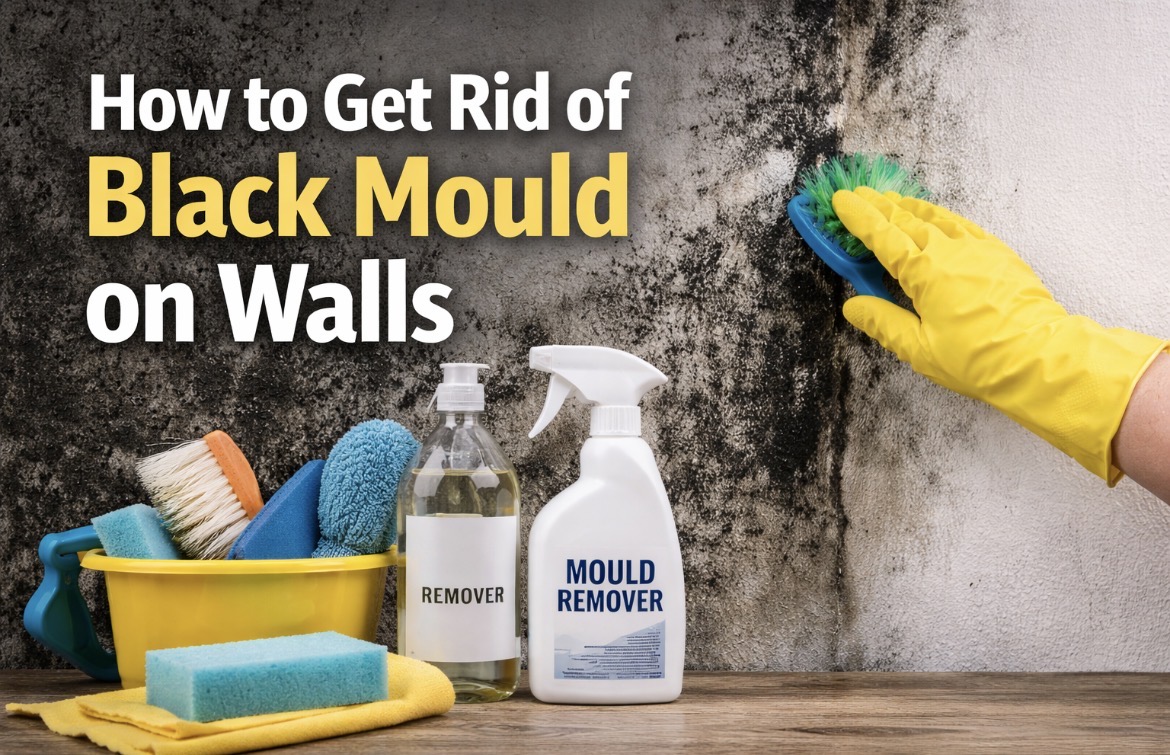
Black mould on walls is a common problem in homes, especially in bedrooms, bathrooms and poorly ventilated areas. While it can often be wiped away, many homeowners find that it keeps coming back.
To remove black mould permanently, you must not only clean the surface but also fix the moisture problem causing it.
Why Does Black Mould Keep Coming Back?
Mould grows where there is:
- Excess moisture
- Poor ventilation
- Cold surfaces
- Condensation
- Leaks or damp issues
If you only clean the visible marks but do not address the underlying cause, mould will return within weeks.
Permanent removal always means treating the root cause.
Is Bleach the Right Solution?
Bleach is commonly used, but it is not always the best long-term solution.
Bleach can:
- Remove surface staining
- Kill mould on non-porous surfaces
However, on painted walls and plaster, mould roots can penetrate beneath the surface. Bleach may not fully eliminate it and can sometimes add extra moisture.
For porous surfaces, a specialist mould treatment spray is usually more effective.
Step-by-Step: Removing Black Mould Safely
1. Protect Yourself
Wear:
- Gloves
- A mask (preferably an FFP2 or similar)
- Eye protection
Open windows to ventilate the room.
2. Prepare the Area
- Remove furniture if possible
- Lay down old sheets or towels
- Keep children and pets away
3. Apply Mould Treatment
Use:
- A specialist mould remover spray
OR - A mixture of white vinegar and water (for mild cases)
Apply directly to the affected area and leave for the recommended time.
4. Gently Scrub
Use a soft brush or cloth. Avoid dry brushing, as this can release spores into the air.
5. Wipe and Dry Thoroughly
Ensure the wall is completely dry after cleaning.
Fixing the Root Cause (This Is the Most Important Step)
If you skip this step, mould will return.
Check for:
Condensation
- Improve ventilation
- Use extractor fans
- Open windows daily
- Consider a dehumidifier
Cold Walls
- Improve insulation
- Keep rooms consistently heated
Leaks
- Check plumbing
- Inspect gutters
- Repair roof issues
Rising Damp
If mould appears low on walls and paint is flaking, professional assessment may be needed.
When Should You Call a Professional?
You may need expert help if:
- The mould covers a large area
- It keeps returning despite treatment
- There is a strong damp smell
- You suspect structural damp issues
Professionals can identify hidden moisture problems that are not obvious.
How to Prevent Black Mould in the Future
- Maintain consistent indoor heating
- Ventilate daily
- Avoid drying clothes indoors
- Leave space between furniture and external walls
- Wipe condensation from windows
Prevention is always easier than repeated removal.
Final Thoughts
Black mould can be removed, but permanent results only happen when moisture problems are addressed. Cleaning alone is not enough.
If you tackle both the mould and the cause, you can stop it returning and protect your home from ongoing damage.
Leave a Reply